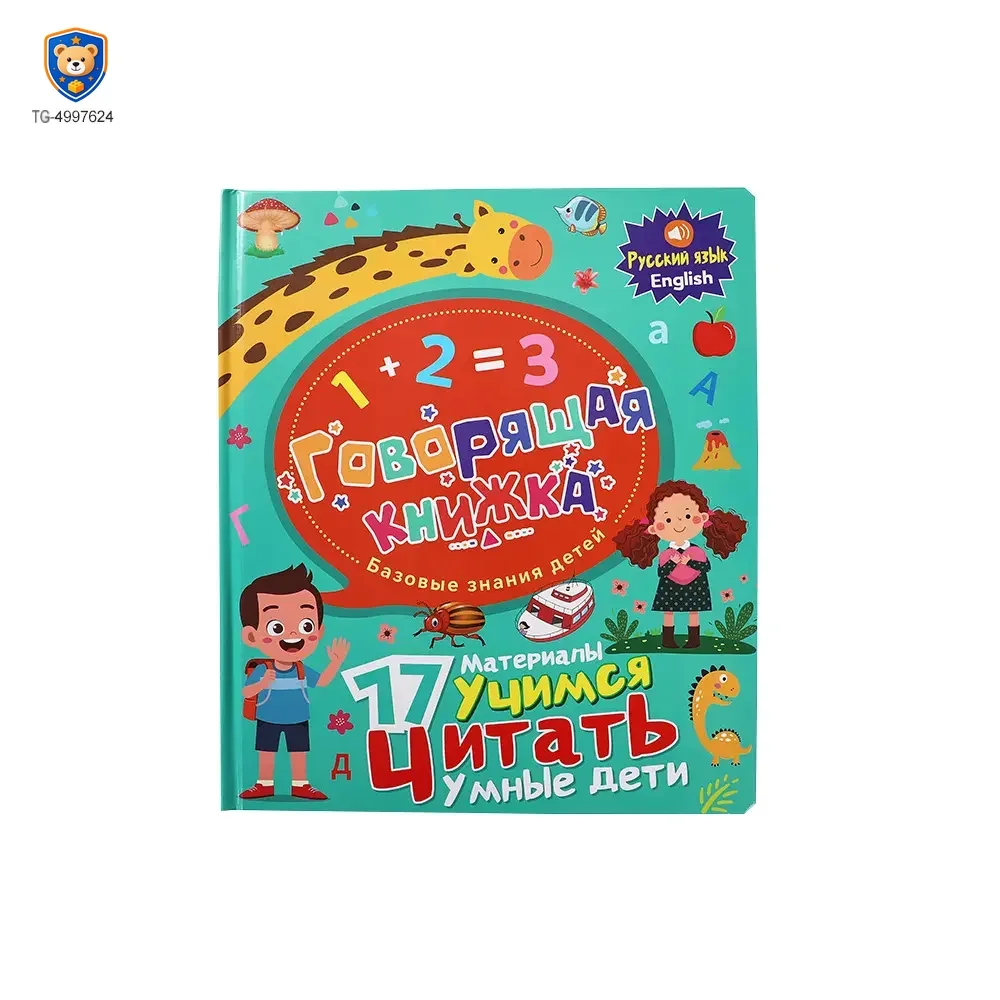
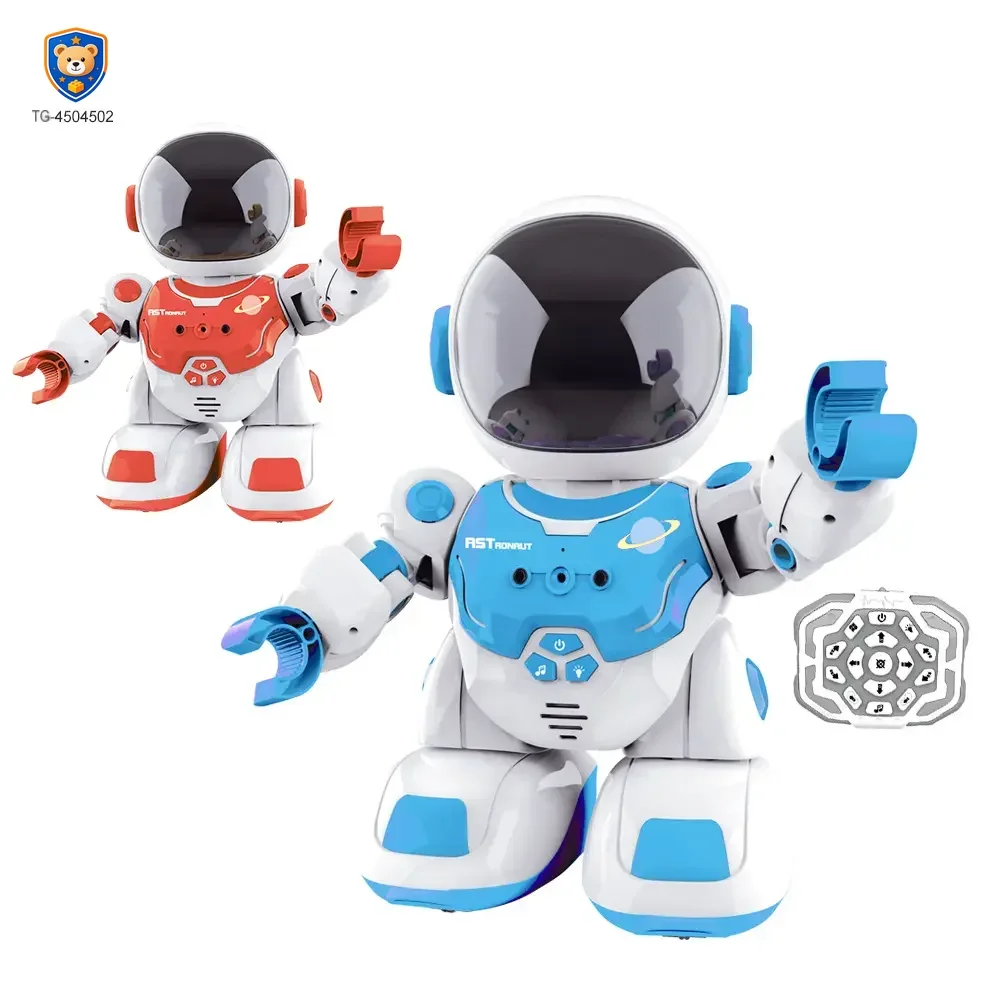
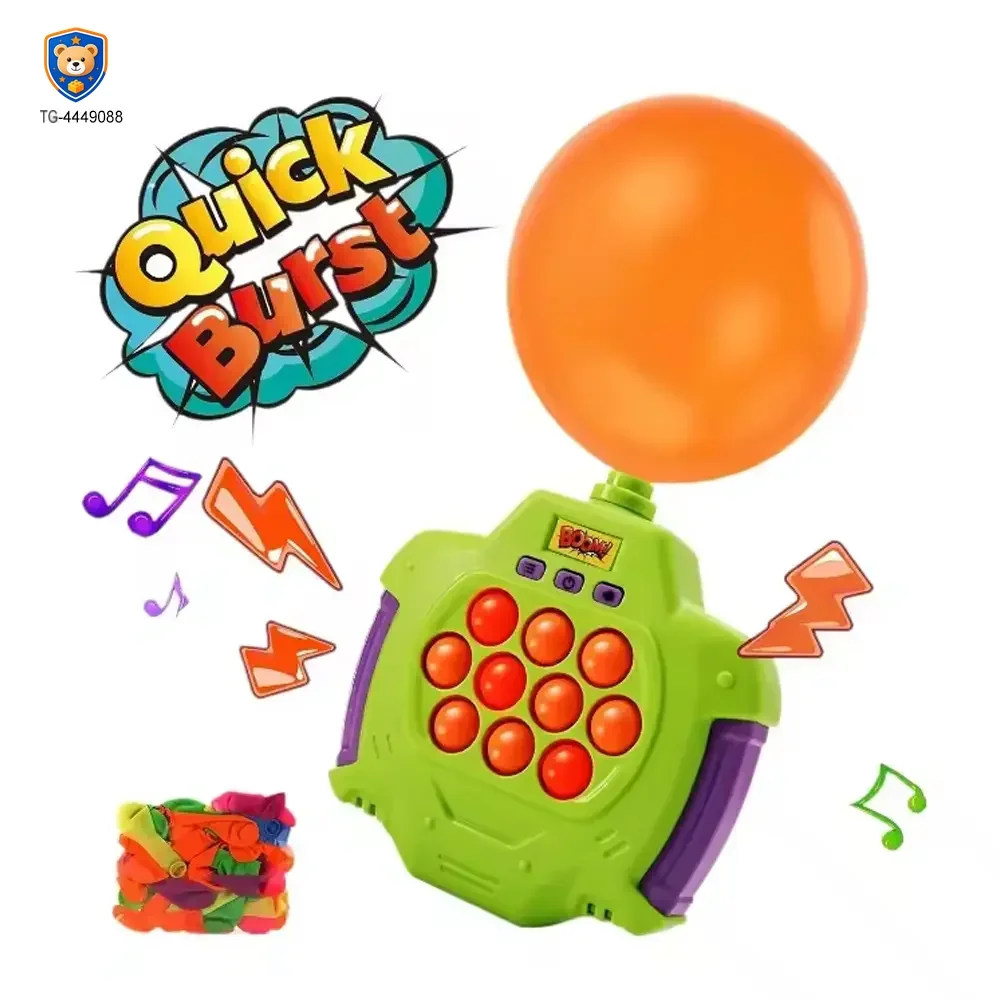
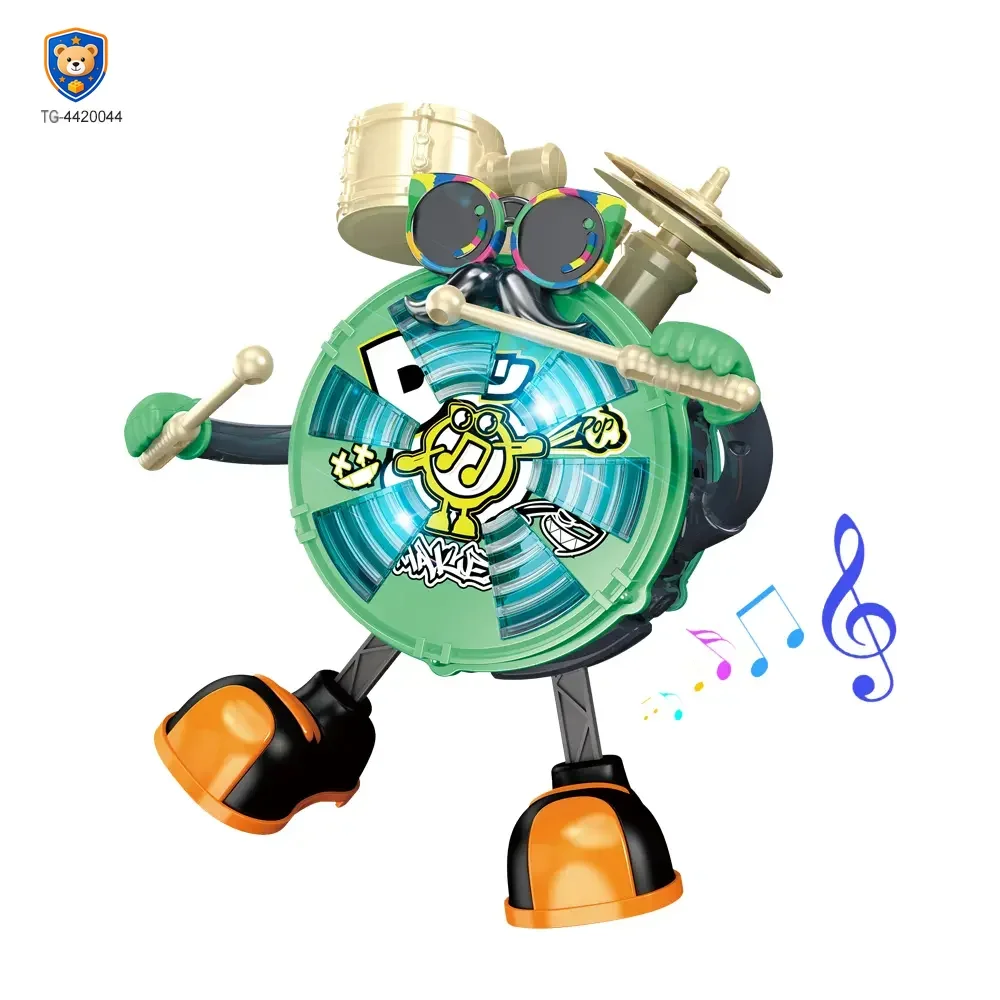
Build your first wholesale toy assortment by assigning a distinct buying role to each of eight categories, then selecting items by age, play action, sales channel, packaging, and supporting evidence. Treat the eight categories as a planning map—not a requirement to buy equal quantities from each. For wholesale toys, the useful outcome is a shortlist in which every item has a clear customer, a reason to be included, and a written specification that can support comparable quotations and sample approval.

Which eight categories should anchor the first assortment?
Use eight working categories to organize the range, then map the supplier’s collection names to this framework rather than treating catalog navigation as your buying plan. These are proposed planning buckets, not a universal toy taxonomy.
Infant and sensory play: Define the intended user and interaction first—such as grasping, shaking, or exploring textures. Request the proposed age grade and supporting documentation before assigning an item to an infant-focused range.
Construction and building: Choose a clear building activity rather than several sets distinguished mainly by appearance. Record the component count, connections, and any compatibility claim you intend to use in the listing.
Puzzles and discovery: Separate matching, solving, and experiment-based activities. A broad educational label is not enough; write down what the child actually does and what assistance the activity is intended to need.
Pretend and role play: Select a recognizable play scenario and define the accessories needed to deliver it. Compare the contents shown on the packaging with the contents in the sample.
Dolls, figures, and plush: Give each selection a specific character or play role. Record included accessories, dimensions, and construction details rather than approving an item from its character image alone.
Vehicles and motion toys: Distinguish push-along, pull-back, and powered play when screening candidates. For powered models, request the power arrangement, controls, and included equipment before comparing quotations.
Arts and crafts: Specify the activity and the complete contents needed to perform it. Decide whether the offer is a self-contained kit or requires additional supplies, and make that distinction visible in the product brief.
Outdoor and active play: Choose the intended activity and use setting before selecting the format. Check assembled size, storage needs, and packaging against the channel you plan to serve.
How much breadth and depth should the first order have?
Start with broad coverage and limited duplication, then add depth only where an additional item serves a different buying need. Broad assortment means more product types with fewer choices in each; deep assortment means more variations within fewer categories. That distinction is described in Toolio.
Do not assign an equal spending share to every category simply because the worksheet has eight rows. Set the inventory budget and commercial targets first, then choose the product mix within those limits—the distinction between merchandise planning and assortment planning described by TrueCommerce.
For each proposed addition, ask: does this item add a different age band, play action, customer use, or channel-ready format? If it changes only the decoration, treat it as a variation competing for the same budget. Keep a category on the planning sheet without ordering from it when no candidate meets your brief.
What should the category-to-item worksheet record?
| Item identity | Product link or item number, product description, and the selected configuration. |
|---|---|
| Age and evidence | Proposed age grade, warning statements, tested product description and photographs, report issue date, and testing scope. |
| Order quantity and MOQ | Requested quantity per item and written confirmation of the MOQ for the selected product, packaging, color assortment, and customization. |
| Packaging and branding | Selected packaging, logo, label, and artwork requirements. |
| Carton information | Carton quantity, carton dimensions, and gross and net weight. |
| Commercial terms | Unit price, payment terms, quotation validity, and estimated production schedule. |
| Destination and timing | Destination country or port and the requested delivery schedule. |
How do age, play action, channel, packaging, and evidence narrow the shortlist?
Apply the five filters in sequence, and remove or revise a candidate when it cannot meet the brief rather than compensating with a lower price.
Age defines the intended user. Play action distinguishes the item from neighboring selections. Channel determines how the offer must be presented and handled: for an online offer, assess the packed item and shipping protection; for shelf retail, inspect the display face and how clearly the contents are communicated. Packaging must match the actual sellable unit, not just look attractive in a photograph.
Evidence connects those decisions to the exact construction being purchased. As a purchasing check, compare the item identity, photographs, age information, warnings, and testing scope with the selected configuration. Flag batteries, magnets, projectiles, or small parts for focused review. This is a document-screening recommendation, not a substitute for assessing the destination market’s applicable requirements. Wholesale Toy Sourcing Checklist
How should a multifunction toy count toward category coverage?
Count a multifunction toy once under its primary play role, and record its other functions as secondary features rather than additional category coverage.
A giraffe musical sensory rattle provides a useful worked example. Its listing describes light and music effects, multiple soft bite textures, a head that rotates 45 degrees, and shape-recognition play. For this planning framework, place it provisionally in infant and sensory play; record the sound, light, texture, and shape features alongside it.
Do not count that one item again as a separate discovery-category selection simply because it includes shape recognition. The assortment would still contain one physical product. Before approving its position in the range, confirm the age grade, power configuration, packaging, and document coverage for the selected version.
If another candidate offers essentially the same interaction to the same intended user, choose between them unless the second item serves a distinct channel or format requirement. Extra features are not automatically extra breadth.
How do you turn the shortlist into comparable quotations?
Send the same configuration and delivery brief for every quotation, then compare the complete offer rather than unit price alone.
For each selected item, provide its product link or item number, requested quantity, destination, sales channel, required arrival date, packaging and branding needs, and requested testing documentation. Ask the supplier to distinguish your requested arrival date from its estimated production and shipment schedule.
Obtain written MOQ and price confirmation for that exact order. MOQ can change with the product, packaging, color assortment, and customization; an existing-pack offer and a private-label offer should not be assumed to have the same minimum. Check carton quantity separately from any stated ordering multiple. Wholesale Toy Sourcing Checklist
If a minimum quantity would force too much budget into one category, change the configuration, select another candidate, or defer the line. Do not let one attractive item quietly determine the balance of the whole assortment.
What should be approved before releasing the first order?
Approve the sample, written specification, packaging, commercial terms, and relevant document review before releasing the order.
Use the sample to check the promised play action, included components, dimensions, finish, and packaging presentation. Record discrepancies against the brief. These are commercial acceptance checks; they do not replace safety testing.
Attach approved photographs and a written configuration to the order. Specify the selected colors or assortment, contents, functions, power arrangement where relevant, packaging artwork, labels, and carton information. Identify which sample is the approval reference and require proposed substitutions or changes to be reviewed before production.
Finish by reviewing the assortment as a whole: every ordered item should occupy a clear primary category, serve the intended buyer, and have a documented reason to earn its share of the budget. Eight category headings organize the decision; approved items and written specifications make it purchasable.