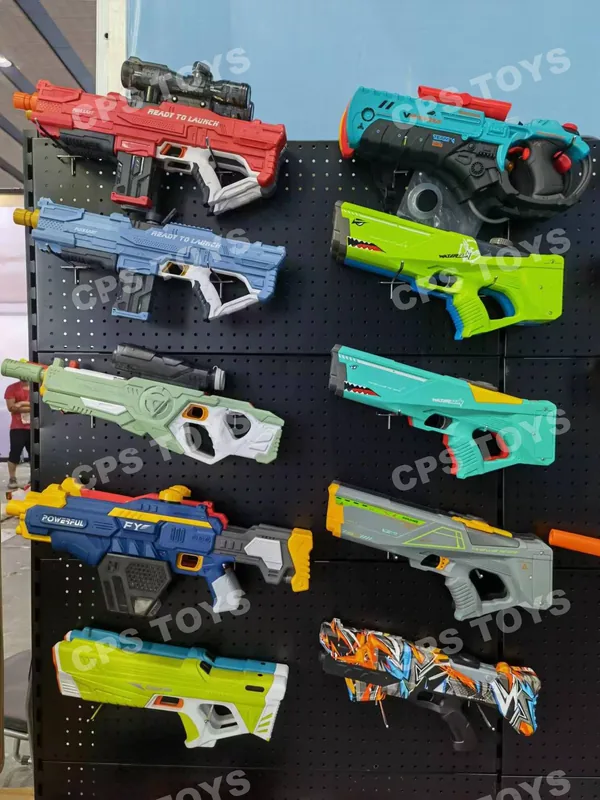
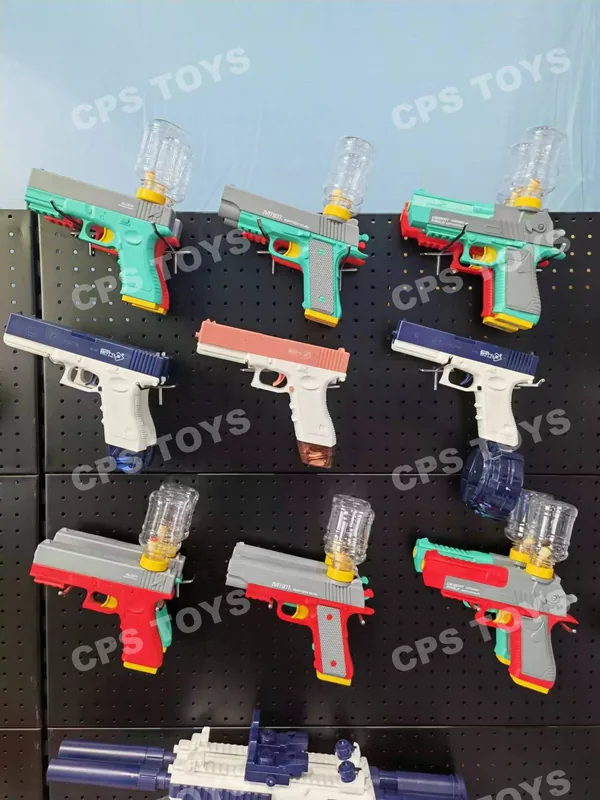
For US, EU, or other destination-market toy purchases, qualify a factory or sourcing coordinator by its records, sample execution, and written responsibilities—not its product photos. To evaluate a toy supplier beyond product photos, first specify where the toys will be sold and whether you are buying existing stock, repeat production, or a customized design. Then compare candidates against the same requirements for product identity, market documentation, quality control, packing, replenishment, and problem resolution before approving an order.
What should you request, and what response should you accept?
| Legal identity and sourcing role | Request: Registered legal name, registration record, business address, contracting entity, payment beneficiary, and production or coordination role. Accept: Cross-checkable identity records and an explanation of any differences between the contracting, producing, and receiving-payment entities. Decision: Resolve unexplained differences before paying; use this check to establish who owes the contractual obligations. |
|---|---|
| Destination-market and category fit | Request: A specification and document list for your destination, intended age group, toy category, and sales channel. Accept: A response addressing the actual toy and its features, rather than a general claim that everything is suitable worldwide. Decision: Advance candidates that can support your assortment and market-specific review. |
| Product specifications and traceability | Request: Model reference, dimensions, component materials, colors, included accessories, intended age grade, and proposed production or lot identification. Accept: Consistent references across the quote, specification, sample, packing records, and applicable reports. Decision: Resolve conflicting identities before sample approval so later defects can be traced to the relevant goods. |
| Sample execution | Request: A sample against a written brief, with any substitutions or production differences declared. Accept: The agreed configuration, identified deviations, and a point-by-point response to your comments. Decision: Approve only the documented configuration; do not treat an attractive but different sample as approval of the quoted toy. |
| Test evidence | Request: Complete relevant reports and a mapping between the tested sample and the ordered construction. Accept: Identifiable report issuer, model, sample description, test scope, results, and a clear explanation of covered variants. Decision: Review mismatches or construction changes before relying on the report. |
| Quality-control execution | Request: Product-specific inspection points, defect examples, inspection stages, and the person authorized to release goods. Accept: Checks tied to the toy's functions and assembly, plus records showing how findings are handled. Decision: Agree inspection and release conditions before production; a showroom inspection alone does not establish shipment quality. |
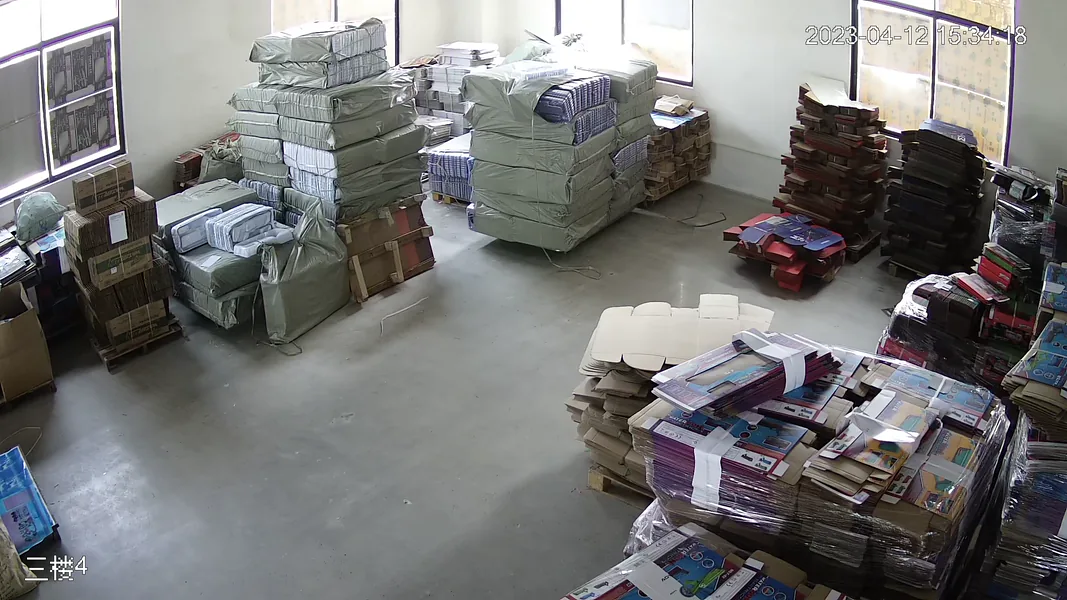
| Carton and shipping data | Request: Retail-pack dimensions, master-carton dimensions, pieces per carton, gross and net weights, and carton markings. Accept: Consistent packing details for the quoted configuration, supported by packing measurements or photographs where appropriate. Decision: Use confirmed packing data for freight estimates and warehouse planning. |
| Quote and replenishment terms | Request: Currency, price basis, named delivery location, quantity conditions, packing, customization charges, payment terms, and replenishment assumptions. Accept: An itemized quotation distinguishing available stock from planned production. Decision: Compare equivalent scope and confirm availability separately from catalog colors or photographs. |
| Communication and after-sales responsibility | Request: Named contacts, agreed update dates, escalation arrangements, claim evidence requirements, and proposed remedies. Accept: Written ownership of responses, decisions, and cost allocation. Decision: Assess whether the communication process fits your operation; slow replies are a communication observation, not proof of fraud or future conduct. |
Should you choose a manufacturer or a sourcing coordinator?
Choose a manufacturer when direct production control is central to the order; choose a sourcing coordinator when assortment consolidation and cross-factory coordination are central—but verify how either option controls the work.
Ask who makes the toy, who approves material or component changes, who conducts inspections, and who can stop shipment. A company that coordinates production should explain its access to production records and its authority to resolve findings. A manufacturer should explain which operations it performs and which it subcontracts.
Do not award a factory an automatic quality advantage or assume a trading company weakens QC. Compare responsibility, access, inspection execution, and change control using the same criteria. The useful distinction is who controls each task, not which label appears on the website.
How should you test the supplier's sample response?
Use a written sample brief to test whether the supplier can reproduce your requirements and close specific issues, not merely send an appealing toy.
For an assortment, a useful proposed sample selection includes a core replenishment item, an item with different packing, and an item with a more demanding assembly or function. Select only categories you intend to buy; this is a purchasing exercise, not a sales forecast.
Record the sample reference and photograph the toy, accessories, labels, and packaging. Compare dimensions, assembly, operation, decoration, and pack contents with the specification. Where dimensions or repeat operations matter, agree product-specific tolerances and screening procedures before assessment. These commercial checks do not replace applicable safety testing.
Send one consolidated discrepancy list. A useful response identifies the issue, proposed correction, responsible person, and evidence needed to close it. Retain the approved sample and specification revision as purchase-order references, while recording any differences between that sample and production.
How do you check whether test evidence covers the quoted toy?
Check whether the report identifies the ordered toy's construction and applicable scope before treating it as purchasing evidence.
Match the model reference, sample photographs, materials or components, relevant colors, intended age grade, and tested configuration to the order. Ask for a documented explanation when model names differ or a report covers a product family. A shared appearance is not enough to establish coverage, but a different internal item code does not automatically require a new test.
For US and EU orders, prepare separate destination-market reviews and identify the relevant rules and standard editions for the toy. Do not replace that review with a generic certificate image. Report coverage follows the tested construction and applicable requirements, not a universal expiry period.
The importance of construction-specific evidence is illustrated by the March 12, 2026 US recall of magnet chess games: CPSC stated that the recalled games violated the mandatory toy standard because their loose high-powered magnets fit within its small-parts cylinder. That finding concerned the named recalled games, not all magnetic toys. For a magnetic toy you are evaluating, the purchasing lesson is to examine the actual magnet arrangement and relevant test coverage rather than relying on photographs. CPSC magnet-game recall
Which carton details make toy quotations comparable?
| Basket-packed configuration | Retail package: 26.5 × 18.5 × 18.5 cm. Master carton: 55.5 × 51 × 59 cm. Packing quantity: 24 pieces per carton. Listed carton volume: 0.17 m³. |
|---|---|
| Color-box configuration with 48 pieces per carton | Retail package: 17.7 × 13.2 × 10.3 cm. Master carton: 64 × 37 × 55 cm. Listed carton volume: 0.13 m³. Gross/net weight: 16.5/15 kg. |
| Color-box configuration with 60 pieces per carton | Retail package: 11.5 × 9.2 × 13.5 cm. Master carton: 56.5 × 36 × 49 cm. Listed carton volume: 0.1 m³. Gross/net weight: 8/7 kg. |
How should you assess replenishment and quote clarity?
Assess replenishment by distinguishing what can be reordered unchanged from what requires a new production or packaging decision.
For each selected toy, request its current stock or production status, minimum quantity, any separate order-multiple restriction, mixed-color rules, packaging options, and the event from which the quoted lead time starts. A carton quantity describes packing; it is not automatically a mandatory order multiple.
Require written approval before substitutions to materials, components, accessories, decoration, or packaging. For repeat orders, reference the approved specification revision rather than relying on the previous invoice description.
Compare quotations only after aligning included accessories, packaging, inspection scope, freight basis, and delivery location. A lower unit price with different contents is a different offer, not yet a saving.
When is a toy supplier ready for an order?
A toy supplier is ready for an order when the product, contracting parties, approval conditions, and issue-resolution responsibilities are clear enough to put into the purchase agreement.
Use three internal decisions: approve, hold for clarification, or decline for the proposed order. Keep an open-issue log stating the question, responsible person, required record or correction, and agreed review date. Hold approval where product identity, relevant test coverage, or a material specification remains unresolved; distinguish those issues from minor presentation corrections.
Before payment, agree how shortages, damaged goods, functional defects, and safety complaints will be reported and handled, including evidence, escalation, proposed remedies, and cost responsibility. A commercial replacement or credit process is not a substitute for assessing a safety concern.
Choose the supplier whose records and execution fit the order—not the one with the most polished images.